Dota 2 Basics: Understanding Heroes and Game Mechanics
- 15 May 2024
Welcome to the intricate world of Dota 2, a game that blends strategic depth with intense tactical gameplay. Valve Corporation developed and published Dota 2, a multiplayer online battle arena (MOBA) game and the successor to the community-created mod Defense of the Ancients from Warcraft III. In Dota 2, two groups of five players each aim to demolish a significant construction called the "Ancient," defended by the rival team, while safeguarding their own.
As a Dota 2 enthusiast, I've spent numerous hours exploring various strategies, mastering different heroes, and engaging in countless battles. This guide is designed to familiarize you with the fundamental aspects of Dota 2, primarily concentrating on the heroes, their roles, and the core mechanics that form the foundation of the game.
Diving Into Dota 2 Heroes
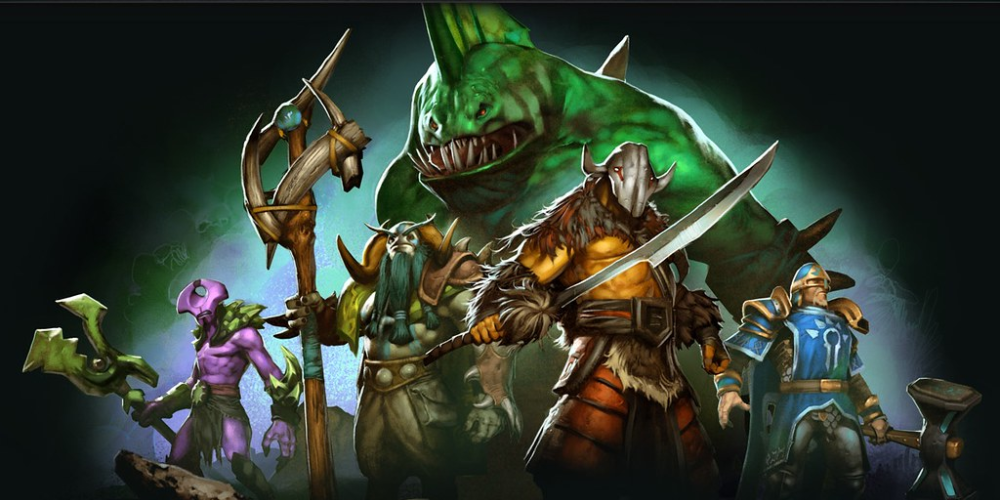
Dota 2 features a vast array of heroes; each possesses unique abilities, strengths, and weaknesses. Understanding these characters is vital to mastering the game. Heroes are divided into three main types: Strength, Agility, and Intelligence. Strength heroes are typically more durable and tank-like, making them frontline combatants. Agility heroes are nimble and often deal substantial physical damage. Lastly, Intelligence heroes generally provide support and wield powerful magical abilities.
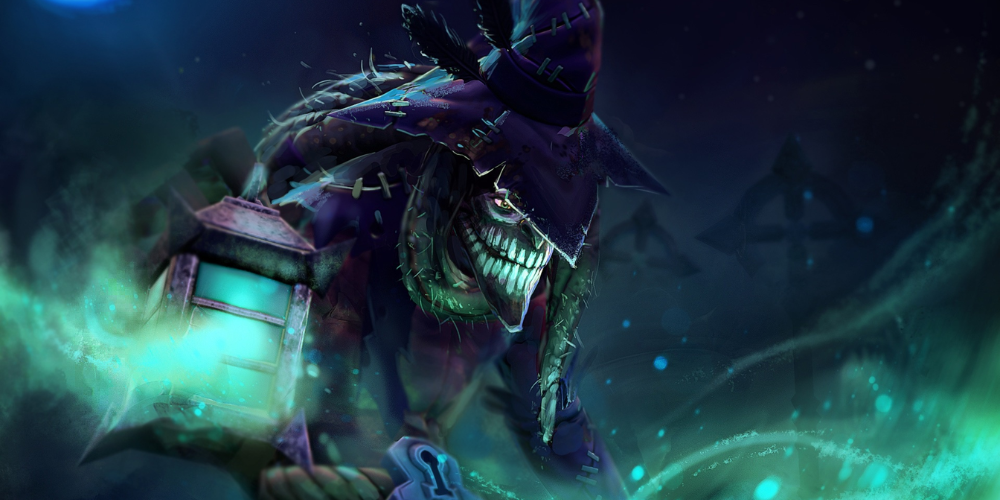
Each hero in Dota 2 has a distinct set of skills: one passive or more and three actives. Successful players must not only understand their hero's abilities but how they can interact with the abilities of allies and counter those of their foes. Effective synergy between heroes and their skills can often define the outcome of a game.
The Dynamics of Game Mechanics
Dota 2's depth comes from its complex game mechanics. The game blends various elements like farming, lane control, ganking, itemization, and timing that all contribute to the overall strategy. Understanding these mechanics can provide a significant advantage.
Farming refers to the method of accumulating gold and experience; gold is primarily gained by killing enemy units, heroes, and structures. Lane control involves managing the equilibrium of the battle lane so that it remains favorable for gaining resources while staying safe from enemy attacks. Ganking, or making surprise attacks, is a strategy used to tilt the scales in one’s favor by taking down key enemy heroes. Itemization, which refers to the strategic selection of items during the game, can drastically alter a hero's capabilities and the team's overall composition and strategy.
Strategies for Winning
To excel in Dota 2, it’s important to adopt strategies that leverage both your team's strengths and your opponents' weaknesses. Successful teams often execute well-planned strategies revolving around when to fight, when to take objectives like Roshan (a powerful neutral enemy that provides significant rewards upon defeat), and when to push towards the enemy Ancient.
Communicating effectively with your team is also crucial. Coordination for timely ganks, alerts about missing enemy heroes, or calling for support can make substantial differences in gameplay outcomes.
Understanding Roles and Positioning
In Dota 2, each player typically assumes a particular role that is pivotal to the team's overall strategy. These roles include Carry, Support, Offlaner, Midlaner, and Roamer. Carries are responsible for dealing massive damage in the late game, while Supports are essential for protecting carries, ensuring vision, and assisting during engagements. Offlaners and Midlaners occupy the solo lanes, where they strive to maximize their impact through individual skills and resource accumulation. Roamers wander the map, creating pressure on different lanes.
Positioning in Dota 2 can be as critical as choosing the right hero. The placement during fights, the decision when to engage or retreat, and the general map awareness can determine the success during clashes and, ultimately, the game.
Itemization and Economy
Mastering itemization in Dota 2 requires understanding both the specific needs of your hero and the general situation of the game. Items in Dota 2 can provide everything from increased physical or magical damage to greater resistance or special abilities. Making wise item choices can turn the tide of battle in surprising ways.
The economy in Dota 2 is equally important. Efficient gold management ensures that you acquire items at the correct times to maximize your hero’s effectiveness. Timing purchases around key game events or potential skirmishes can significantly influence your team's performance and capability to secure victories.
Advanced Tactics and Team Play
The depth of Dota 2's gameplay becomes apparent at higher levels, where advanced tactics and team play can really shine. One advanced tactic is “split pushing,” which involves pressuring multiple lanes simultaneously to disperse enemy forces and create opportunities.
In team play, the emphasis is on combining hero abilities to maximize damage and control. For example, chaining stuns on an enemy hero can turn an impossible fight into a manageable one. Team play is also about adapting strategies on the fly and making quick decisions that can exploit your opponent’s weaknesses.
Conclusion
In Dota 2, success comes from a mixture of strategic planning, tactical execution, and continuous learning. Whether you're just starting out or you’re a seasoned player looking to hone your skills, understanding the basics of heroes, game mechanics, and team dynamics is crucial. Remember, each game is a fresh challenge, and each battle is an opportunity to improve.
I invite all aspiring Dota 2 players to dive deep into this complex and rewarding game. Master the mechanics, understand your heroes, and join the millions who find joy in the thrilling arena that is Dota 2.
Latest Articles
-
Digital Court Legends: A Modern Ode to Streetball
The experience of playing NBA The Run unfolds much like an afternoon of impromptu street basketball with friends. From the sheer thrill of sinking an unexpected basket to the camaraderie, the game captures the pulse of real life courts while forging its own digital legacy. Every match pulses with energy and creativity, blending nostalgic streetball memories with refined digital artistry. Players step into a realm where each dribble, shot, and pass is a testament to both individual flair and team synergy. The game invites enthusiasts to relive the personal triumphs and collective challenges of competitive basketball, all wrapped in a...
- Steve Nielsen
- 5 Jul 2026
-
Jodie Foster Unmasks the Formula: A Critical Look at the Film's Mechanical Narrative
The conversation around the recent Formula 1 film has taken an unexpected turn following a candid commentary by Jodie Foster. Her remarks, delivered during an industry event about the evolving business of cinema, suggest that the film’s style and delivery seem almost mechanical in nature.
Foster expressed her view that the movie adheres to a formulaic structure, one that could easily be compared to lessons learned in a classroom setting. She noted that every aspect—from the scripted dialogue to the predictable performances—mirrors what one might expect if the creative process were entirely dictated by artificial precision. According to her perspective, the...

- Lillian Young
- 5 Jul 2026
-
Capcom’s World Stage: Charting the Global Road to Street Fighter 6 Domination
The recent conclusion of a major tournament has "Pave the way for an exhilarating phase in" competitive Street Fighter 6 events. The latest announcements have brought attention to upcoming tournaments that will spotlight top players from around the world.
After Evo 2026 wrapped up over the weekend, There's growing excitement in anticipation of the upcoming event in Paris, France this summer. The Esports World Cup is scheduled for July and August, promising dynamic matchups in Capcom's latest fighting series. In addition, an event in November will further showcase an SF6 competition organized by the Esports Foundation.
At this point, 12 of the...
- Joshua Nelson
- 5 Jul 2026