Navigating the Platform Crucible: Unraveling Nioh 3’s Strategic Multiplayer Tapestry
- 5 Feb 2026
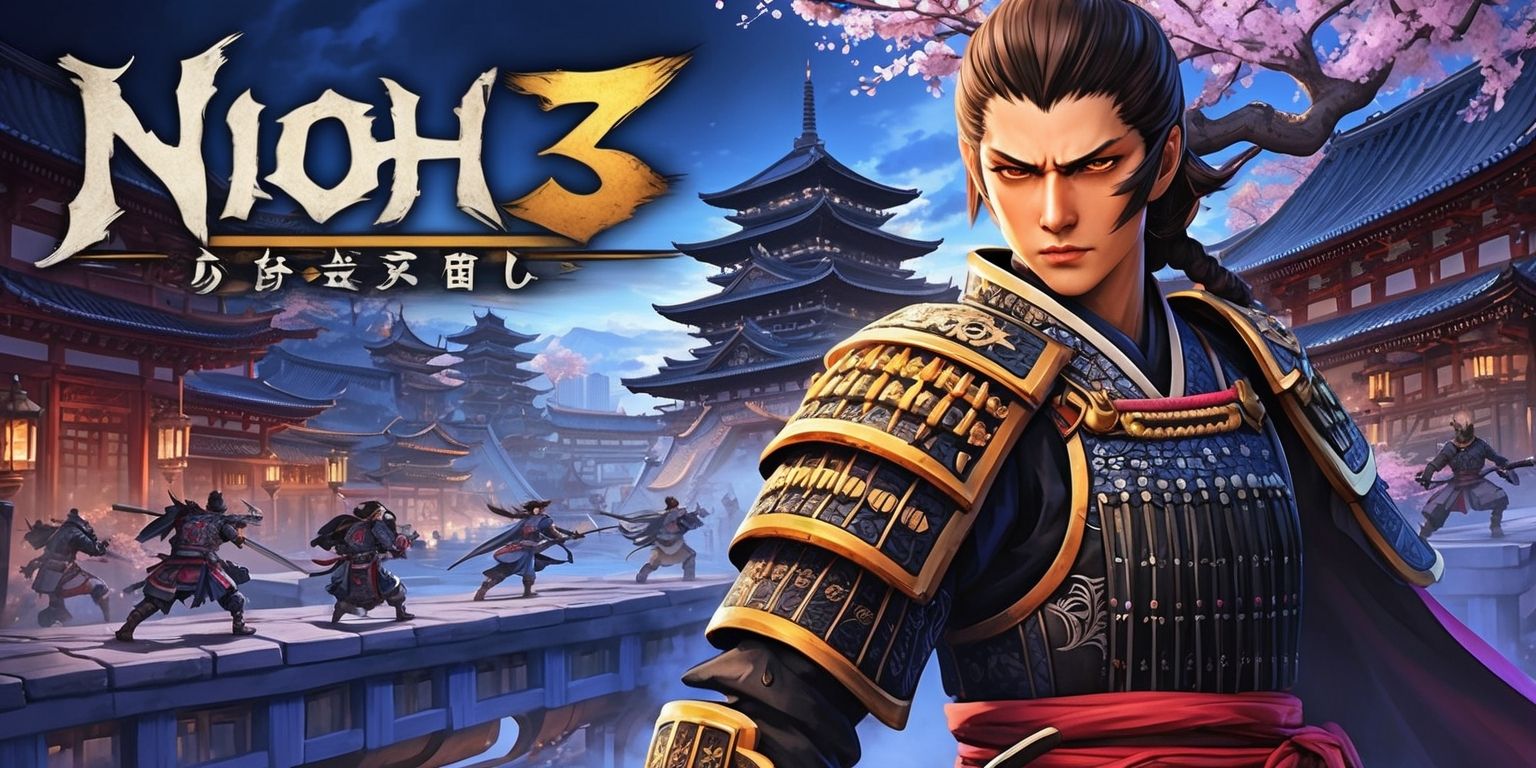
Nioh 3 offers a unique blend of rich gameplay mechanics and intricate multiplayer elements that invite Enabling players to fully lose themselves within a realm of ancient legends and modern challenges. As enthusiasts explore every facet of the game, the choice of platform plays a pivotal role in how teams form and strategies develop. The absence of crossplay sparks conversations about platform loyalty and camaraderie, influencing everything from character customization to online storytelling. Delving deeper into these aspects reveals a layered design where multiplayer cooperation and solo exploration intertwine, ultimately affecting the overall experience for every participant.
Gameplay Dynamics and Platform Specifics
Nioh 3’s gameplay is an intricate dance of strategy and skill that relies heavily on your chosen platform. With the lack of crossplay, each user is confined to their system’s ecosystem, which in turn shapes gameplay decisions and team formations. Every character’s abilities and moves are finely tuned for immersive combat encounters, ensuring that the platform itself contributes to the seamless integration of game mechanics and interactions. Players must consider which system best meets their gaming style, as PS5 and Steam deliver distinct experiences. While combat remains the central pillar, the ensuing networks of player alliances, challenges, and in-game rewards are influenced by the unique features and limitations tied to each operating environment.
Multiplayer Experience and Social Connectivity
The multiplayer aspect of Nioh 3 is a carefully constructed environment that fosters both competition and collaboration among players restricted to the same platform. This arrangement means that engaging with friends and allies becomes a system-specific undertaking, with each console or PC community cultivating its own unique culture. Interactions with yokai, intricate boss battles, and the navigation of perilous dungeons are enriched by cooperative play; however, achievements in the game are tied to these group experiences on a platform-by-platform basis. The nuances in matchmaking and team assembly create a lively dynamic that emphasizes community building and synchronized gameplay. Players are encouraged to align their choices well in advance, ensuring an optimal multiplayer session full of strategic depth and shared challenges.
Multifaceted Online Engagement and Communication
The online features of Nioh 3 are robust enough to support a wide-ranging interconnected experience despite the absence of cross-platform play. Communication within this digital space becomes more intimate, as players are forced to navigate interactions solely within their chosen system. This environment fosters dedicated platforms for character creation codes and specialized in-game strategies, which remain distinct for each platform such as Steam and PS5. The design encourages players to hone their commands and foster stronger bonds with friends using the same interface. Chat systems, cooperative raids, and specific codes add layers to gameplay that elevate the social element, creating a vibrant community where tactical decisions are made in close quarters with neighbors familiar with the same set of technical parameters.
Character Customization and Platform-Tailored Enhancements
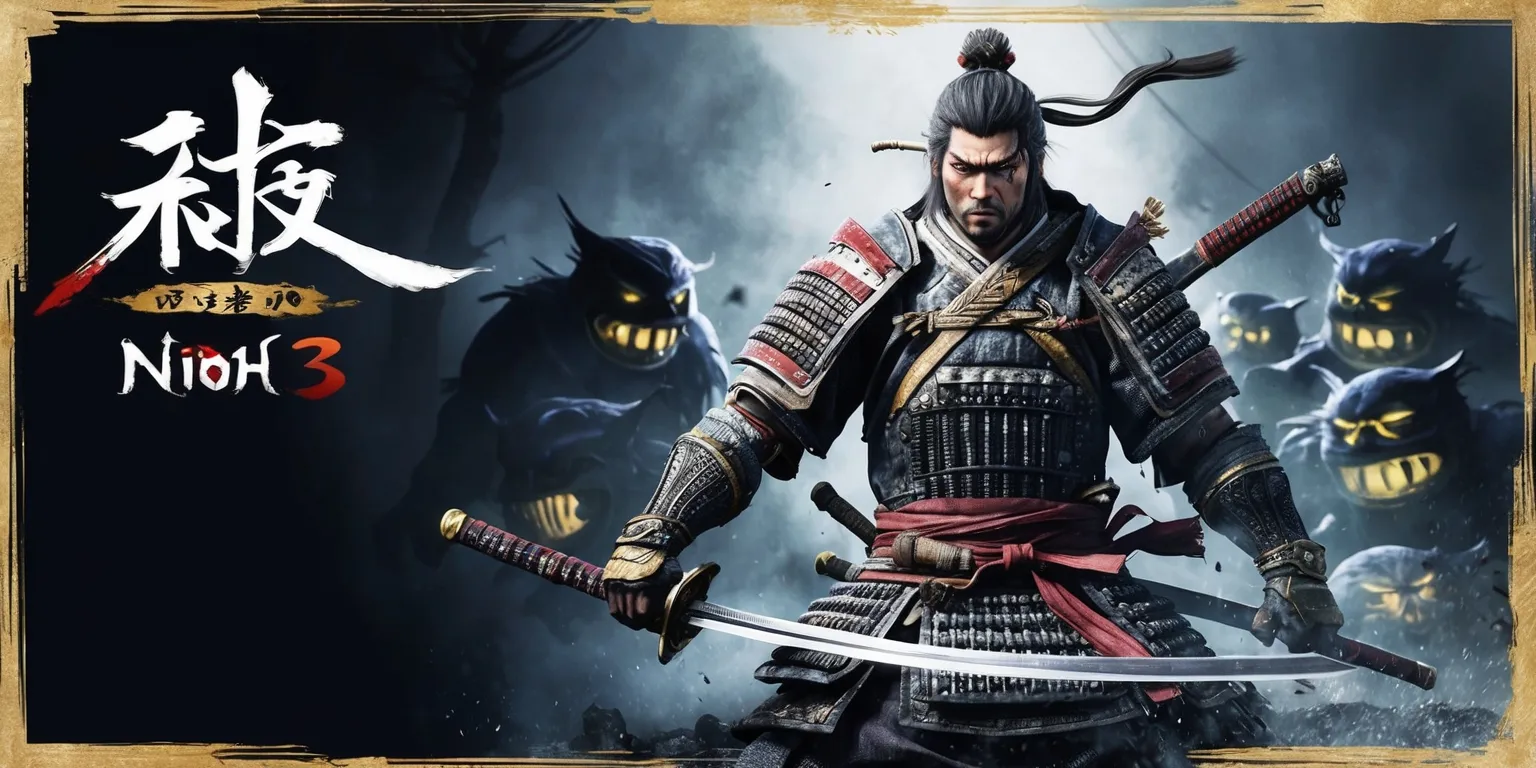
Delving into the depths of Nioh 3’s character creation reveals an array of customization options that resonate uniquely within each platform community. The game’s coding structure limits sharing between Steam and PS5 users, ensuring that every personalized avatar remains exclusive to its originating system. This exclusivity creates a sense of identity where characters are defined not just by their aesthetic and combat prowess, but by the platform they inhabit. The detailed design permitted via character creation codes allows for a rich avatar evolution process, reflecting both individual creativity and the communal nuances of an entire gaming culture. The inherent design of these codes ensures players thoroughly embrace the unique features of the platform they have selected, thereby fueling deeper immersion into the virtual realm.
Integration of Aesthetic Elements and Technical Mastery
Nioh 3 stands out It garners praise not just for its gameplay mechanics, but also for its overall design profound aesthetic appeal and technical sophistication. The visual representation of ancient lore combined with modern digital effects is striking, regardless of the platform limitations imposed by crossplay restrictions. Every scene, battle, and environment is intricately designed to captivate players visually while also providing technical consistency across solo and multiplayer scenarios. The art style draws players into a fusion of historical mystique and dynamic action, showcasing detailed textures, shadow play, and a refined user interface that elevates gameplay. Moreover, the technical performance of each platform is optimized to ensure fluid motion, precise control, and immersive combat sequences that provide a rich, narrative-driven experience steeped in visual and technical mastery.
Structural Design and Strategic Gameplay Layers
At its core, Nioh 3’s design architecture is layered with profound strategic depth, inviting players to think tactically at every turn. The absence of crossplay reinforces the need for well-orchestrated strategies within platform-specific user groups. Every level, enemy type, and combat maneuver is crafted with precision, providing players with a wide spectrum of tactical scenarios. The game challenges individuals to blend personal skill with collective planning, emphasizing the significance of synergy in team-based settings. This deliberate structure encourages coordinated assaults on formidable challenges and enriches the overall strategic landscape by demanding a balance between reflexive combat and thoughtful planning. Teams must adapt quickly while leveraging platform-specific advantages, resulting in an engaging interplay of tactics and execution.
Emphasis on Cooperative Gameplay and Team Dynamics
The cooperative gameplay in Nioh 3 thrives amid the limitations imposed by platform-specific servers, prompting a refined focus on team dynamics and mutual support. Players are tasked with synchronizing moves during combat scenarios where strategy and reflexes intertwine seamlessly. This interdependence reinforces the need for meticulous coordination among friends who choose a common platform before diving into multiplayer battles. Each cooperative mission unfolds as teams gain valuable insights into enemy patterns and in-game obstacles that require well-timed maneuvers. The cooperative spirit is further bolstered by community forums, in-game hints, and dedicated strategies that emerge within these exclusive digital communities. By forging tight-knit alliances, gamers can overcome challenges that demand more than individual prowess, highlighting the strength of a unified front.
Impact of Platform Restrictions on User Decisions
The decision-making process in Nioh 3 extends far beyond gameplay tactics, encompassing a critical evaluation of platform-specific restrictions. The inability to merge character creation codes and multiplayer sessions across platforms prompts players to conduct thorough research before committing to a purchase. This requirement leads to meaningful considerations regarding long-term gaming habits, common interests among friends, and the potential for community engagement. Such restrictions naturally spark debates on the benefits and drawbacks of each platform. Gamers are encouraged to weigh the technical performance, exclusive features, and social fabric of each system against their own gaming expectations. This process transforms platform choice into a fundamental part of the gaming strategy, influencing every subsequent interaction within the intricate world of Nioh 3.
Technical Considerations Behind Multiplayer Functionality
Navigating the technical intricacies of Nioh 3’s multiplayer component reveals underlying decisions that shape the overall digital landscape. Developers have strategically opted out of integrating crossplay, a choice that simplifies server management but also curtails the potential for a broader inter-platform network. As a result, players on one system operate within a distinct network, benefiting from streamlined communications and stable connectivity tailored to that hardware. This technical architecture ensures consistency in load balancing, latency optimization, and security, which in turn bolsters an immersive gaming experience free from unnecessary interference. Such technical decisions ultimately provide a stable foundation while reinforcing the importance of selecting a platform that aligns with both social preferences and system performance capabilities.
Community-Driven Experiences and In-Game Ecosystems
In Nioh 3, the community-driven aspects of The interactive dynamics of the game are pivotal in molding… the overall in-game experience. With the lack of crossplay, communities naturally form around distinct platforms, fostering strong bonds between gamers with similar interfaces. The structure encourages significant engagement through in-game events, audience-specific leaderboards, and targeted updates that cater to each group’s unique needs. Forums, Digital social communities and fan-operated websites frequently serve as platforms for hosting platform-exclusive guides and discussions, cultivating a sense of unity and specialized expertise. This organic formation of subcultures within the larger gaming sphere gives every platform its own identity, driving home the notion that collaborative strategy and shared experiences are fundamental to enjoying the rich and captivating universe of Nioh 3.
In-Game Economy and Shared Resource Management
The economic systems within Nioh 3 Introduce an extra dimension of intricacy to the gameplay, where each platform's restricted environment subtly influences resource management and trade. Currency, rare items, and special character codes are shared exclusively among players within the same system. This creates a micro-economy that operates independently for each platform, incentivizing strategies tailored to the in-game market's demands. Players must navigate this landscape with careful resource planning, forging alliances to secure critical in-game items and unlocking progressive upgrades. This platform-centric in-game economy elevates both the strategic and social dimensions of gameplay, prompting players to evaluate trades, team up for specialized missions, and continually adapt to emerging price trends. Every decision within this framework holds weight, reflecting a meticulously crafted system of mutual dependency and resource-based strategy.
Latest Articles
-
Digital Court Legends: A Modern Ode to Streetball
The experience of playing NBA The Run unfolds much like an afternoon of impromptu street basketball with friends. From the sheer thrill of sinking an unexpected basket to the camaraderie, the game captures the pulse of real life courts while forging its own digital legacy. Every match pulses with energy and creativity, blending nostalgic streetball memories with refined digital artistry. Players step into a realm where each dribble, shot, and pass is a testament to both individual flair and team synergy. The game invites enthusiasts to relive the personal triumphs and collective challenges of competitive basketball, all wrapped in a...

- Steve Nielsen
- 5 Jul 2026
-
Jodie Foster Unmasks the Formula: A Critical Look at the Film's Mechanical Narrative
The conversation around the recent Formula 1 film has taken an unexpected turn following a candid commentary by Jodie Foster. Her remarks, delivered during an industry event about the evolving business of cinema, suggest that the film’s style and delivery seem almost mechanical in nature.
Foster expressed her view that the movie adheres to a formulaic structure, one that could easily be compared to lessons learned in a classroom setting. She noted that every aspect—from the scripted dialogue to the predictable performances—mirrors what one might expect if the creative process were entirely dictated by artificial precision. According to her perspective, the...

- Lillian Young
- 5 Jul 2026
-
Capcom’s World Stage: Charting the Global Road to Street Fighter 6 Domination
The recent conclusion of a major tournament has "Pave the way for an exhilarating phase in" competitive Street Fighter 6 events. The latest announcements have brought attention to upcoming tournaments that will spotlight top players from around the world.
After Evo 2026 wrapped up over the weekend, There's growing excitement in anticipation of the upcoming event in Paris, France this summer. The Esports World Cup is scheduled for July and August, promising dynamic matchups in Capcom's latest fighting series. In addition, an event in November will further showcase an SF6 competition organized by the Esports Foundation.
At this point, 12 of the...
- Joshua Nelson
- 5 Jul 2026