Reclaim, Rebuild, Resist: The Strategic Odyssey of Last Asylum Plague
- 19 Mar 2026
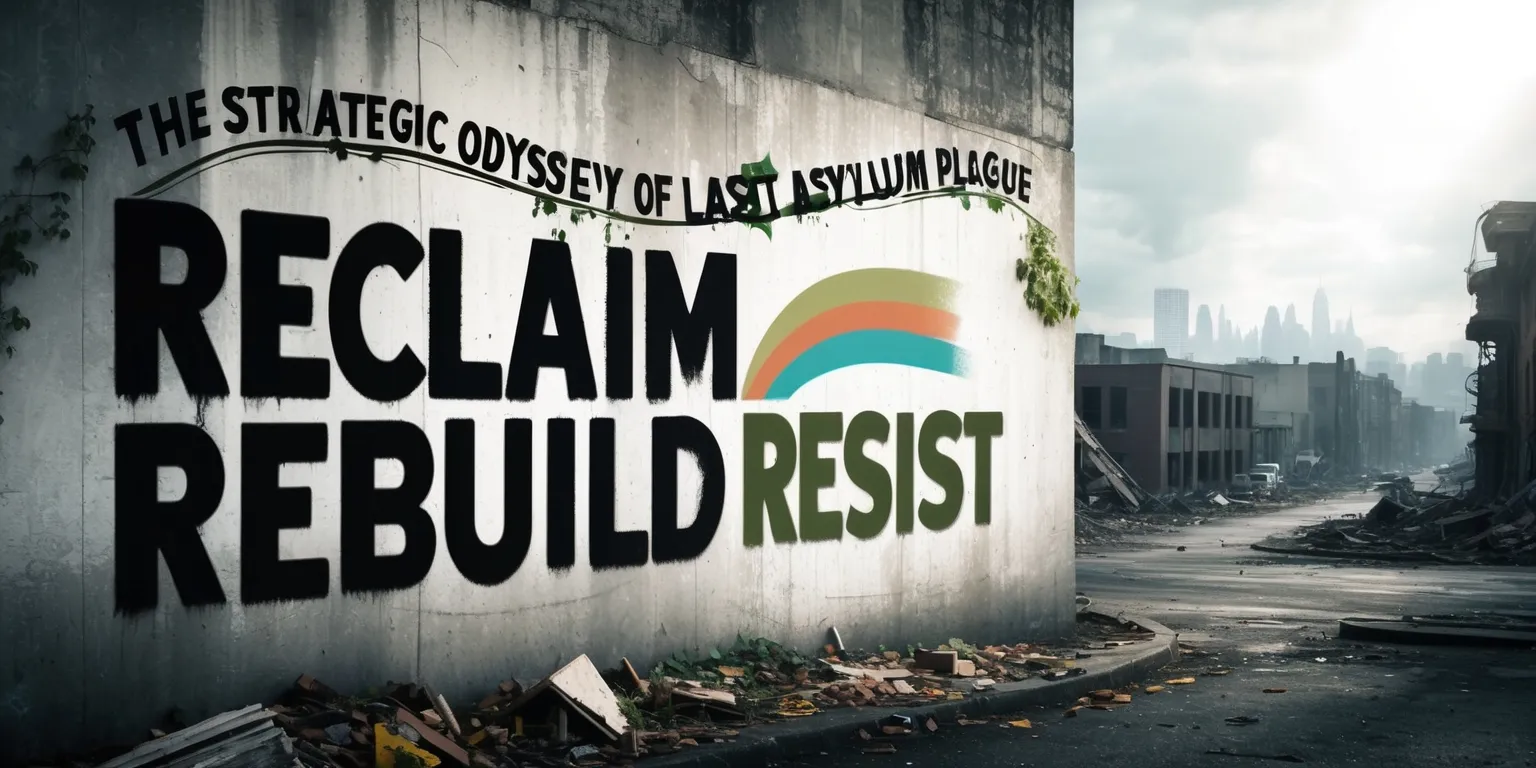
The world of Last Asylum: Plague invites players to immerse themselves in a distinctive 4x strategy experience where management, combat, and resource allocation intertwine in an environment marred by tragedy and resilience. In this realm, players face the urgent task of restoring a stricken town while tending to its ailing citizens and defending against the relentless surge of pestilence and adversaries. Every decision, from fortifying defenses to selecting the right heroes for the battlefield, carries weight in this epic narrative. The game’s multifaceted approach combines urban reconstruction with tactical combat, offering a unique interplay of Its innovative approach to tactical planning and resource allocation truly distinguishes it from the standard offerings in the genre.
The Strategic Landscape of Plague Management
In Last Asylum: Plague, strategy underpins every move as players navigate an intricate world where survival is never guaranteed. The game challenges you to rebuild a town devastated by disease and external threats, where every placement and upgrade of essential buildings plays a critical role. You will carefully manage resources by constructing farms for sustenance, antitoxin workshops for healing, and expanding hospitals to treat the malady that afflicts your people. This strategic landscape demands a balance between fortifying defenses and allocating manpower to reclaim lost ground. Each architectural improvement not only boosts your community's morale but also prepares you for the inevitable onslaught of enemy forces that seek to take advantage of any weakness.
Conflict and the Siege on the City Walls
The intensity of Last Asylum: Plague is heightened by the constant threat posed by external enemy forces and the invasive plague-carrying vermin that assault the city walls. As you rebuild, waves of adversaries pressure your resources, forcing allowing you to adjust your tactics on the fly. Every breach in your defenses creates an urgent need for tactical adjustments, whether it's repositioning key heroes or investing in new defensive structures. The game’s dynamic combat system encourages careful orchestration of your available assets. You may witness the strategic importance of timing and order as your heroes engage in battle, utilizing unique abilities that have been honed by past experiences in the field. This combat rhythm brings both a sense of immediacy and weight to every offensive maneuver.
Revitalizing Infrastructure and Community Resilience
The process of rebuilding a town in Last Asylum: Plague is as immersive as it is challenging. You are tasked with revitalizing each sector of your community by systematically reconstructing vital buildings. Farms supply necessary resources, while antitoxin workshops play a pivotal role in neutralizing the airborne dangers that threaten your populace. Upgrading your hospital is essential, as every enhancement in its facilities directly increases your ability to treat and support the afflicted. This intricate urban restoration creates a palpable sense of progress; each building erected or improved symbolizes a small victory against overwhelming odds. In this envisioned community, resilience is nurtured not just through combat but through the slow, deliberate rebuilding of a society under siege.
A New Perspective on Hero Selection and Ranking

A prominent quality of the game is its comprehensive hero tier list that influences every engagement on the battlefield. With a roster of 20 distinct heroes available for recruitment, the game It compels you to devote your time and resources to honing their abilities and roles. Each hero comes with their unique attributes spanning classes such as warriors, rangers, and warlocks, each offering varying strategic benefits. The tier list guides you to identify which heroes can provide the maximum impact during critical encounters. While you might be tempted to upgrade any champion, wisdom dictates a prioritization based on their current tier and the circumstances you are facing. This ranking system breathes depth into the gameplay, ensuring that every decision in hero management has a lasting significance.
Premium Champions: Spotlight on Exceptional Figures
Within this elaborate framework of hero collection, two premium figures stand out due to their exceptional abilities and rarity in the field. Among these, one remarkable hero specializes in long-range combat, possessing an ultimate skill capable of unleashing significant damage over a wide area. The other premium asset merges tactical defense with offensive synergy, able to deploy a unique ability that creates a shrouded environment, impairing the enemy’s offensive output. Despite the allure of these champions, they are designed as high-investment options largely available via purchase rather than random acquisition. Their rarity and potent skills compel you to weigh the cost and benefit carefully, knowing that investing in these heroes could provide a vital boost in moments of desperate need during your relentless campaign.
Understanding Tactical Roles and Combat Synergies
The gameplay in Last Asylum: Plague is enriched by a mix of tactical roles that demand precision, coordination, and foresight. Heroes are classified in distinct roles, from stalwart tanks and agile rangers to mystical warlocks, all contributing different layers to your overall strategy. This mix of functionalities encourages you to form a well-balanced team, where the interplay between defensive sturdiness and offensive agility becomes the cornerstone of your combat success. Each engagement presents an opportunity to observe synergy between characters, such as a warrior absorbing incoming damage while a ranger exploits weak points in the enemy formation. Such interactions not only shape individual battles but also determine the sustainability of your town’s defenses in protracted sieges, adding significant depth to the tactical experience.
Interactive Elements and Dynamic Gameplay Features
The interactive aspects of Last Asylum: Plague make It is a remarkably distinguished entry in the realm of strategy games. Beyond the static elements of base building and hero management, the game’s interface provides real-time feedback that reflects the evolving state of your town. Every construction, upgrade, and recruitment decision impacts the ongoing battle, prompting a dynamic recalibration of strategy as events unfold. Interactive maps and detailed resource panels allow you to monitor the health of your city, guaranteeing that each tactical decision is guided by current conditions. Real-time alerts and visual cues elevate a sense of immersion, enabling you to react swiftly and strategically when your defenses are tested. This dynamic interplay of visuals, strategy, and real-time decision-making builds a constantly engaging environment.
Visual Aesthetics and Immersive Environment
Visually, Last Asylum: Plague presents an immersive environment that blends gritty realism with imaginative design. The architecture of the rebuilt town, from crowded hospitals to sprawling farms, is rendered with meticulous detail and a touch of creative flair, making every structure a testament to both struggle and hope. The shadowy figures of invading forces and the eerie presence of plague-bearing rodents contribute to an aesthetic that is at once ominous and captivating. Illuminated by the glow of encampments and the flicker of fires in the distance, The game transports you into a universe where every detail enhances the immersive experience visual element resonates with the narrative of survival against overwhelming odds. The detailed environmental art reinforces the potency of the game’s thematic elements and draws players deeper into its story.
Balancing Community Resource Management and Heroic Endeavors
At its core, Last Asylum: Plague is as It is equally about the careful administration of limited resources about recruiting formidable heroes. Each decision to invest in community structures or allocate resources towards hero upgrades involves a calculated risk, as failing to balance these elements can leave you vulnerable on multiple fronts. Effective resource management ensures that your town can withstand enemy sieges while continuously improving its defensive and healing capabilities. This balance defines the rhythm of gameplay, where every resource must be strategically deployed to maximize both immediate and long-term benefits. The challenge lies in maintaining equilibrium; an overemphasis on any one area may compromise another, thereby highlighting the game’s insistence on strategic foresight and judicious management of every asset at your disposal.
Comparative Perspectives Across Mobile Strategy Adventures
Last Asylum: Plague distinguishes itself through intricate gameplay and detailed hero management, yet it also exists within a broader ecosystem of mobile strategy titles. For those who are familiar with other renowned mobile adventures, such as tactical operator scenarios or idle adventure epics from earlier eras, the similarities in hero ranking systems and community building become apparent. However, the unique blend of 4x strategy elements, combined with a dark thematic narrative, sets Last Asylum: Plague distinctly apart. The tier list approach here underscores the significance of calculated risk in character investment, an element that resonates well with fans of complex mobile games. Comparisons with popular tier lists from other titles reveal both commonalities and unique innovations that enhance its overall appeal.
Latest Articles
-
Digital Court Legends: A Modern Ode to Streetball
The experience of playing NBA The Run unfolds much like an afternoon of impromptu street basketball with friends. From the sheer thrill of sinking an unexpected basket to the camaraderie, the game captures the pulse of real life courts while forging its own digital legacy. Every match pulses with energy and creativity, blending nostalgic streetball memories with refined digital artistry. Players step into a realm where each dribble, shot, and pass is a testament to both individual flair and team synergy. The game invites enthusiasts to relive the personal triumphs and collective challenges of competitive basketball, all wrapped in a...

- Steve Nielsen
- 5 Jul 2026
-
Jodie Foster Unmasks the Formula: A Critical Look at the Film's Mechanical Narrative
The conversation around the recent Formula 1 film has taken an unexpected turn following a candid commentary by Jodie Foster. Her remarks, delivered during an industry event about the evolving business of cinema, suggest that the film’s style and delivery seem almost mechanical in nature.
Foster expressed her view that the movie adheres to a formulaic structure, one that could easily be compared to lessons learned in a classroom setting. She noted that every aspect—from the scripted dialogue to the predictable performances—mirrors what one might expect if the creative process were entirely dictated by artificial precision. According to her perspective, the...

- Lillian Young
- 5 Jul 2026
-
Capcom’s World Stage: Charting the Global Road to Street Fighter 6 Domination
The recent conclusion of a major tournament has "Pave the way for an exhilarating phase in" competitive Street Fighter 6 events. The latest announcements have brought attention to upcoming tournaments that will spotlight top players from around the world.
After Evo 2026 wrapped up over the weekend, There's growing excitement in anticipation of the upcoming event in Paris, France this summer. The Esports World Cup is scheduled for July and August, promising dynamic matchups in Capcom's latest fighting series. In addition, an event in November will further showcase an SF6 competition organized by the Esports Foundation.
At this point, 12 of the...

- Joshua Nelson
- 5 Jul 2026