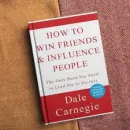
Review: How to win friends and influence people

How to Win Friends and Influence People: Practical Wisdom on Human Relations That Still Works
First published in 1936, How to Win Friends and Influence People by Dale Carnegie remains one of the most enduring books on communication, leadership, and personal effectiveness. Its longevity is not accidental. As an experienced writer and book seller, I have seen this title recommended across generations, industries, and cultures—not as a trend-driven self-help book, but as a practical guide grounded in human behavior.
What distinguishes Carnegie’s work is its focus on empathy, respect, and genuine interest in others. Rather than offering manipulation or quick tactics, the book emphasizes understanding people, listening actively, and building trust. These principles, though simple in concept, continue to be relevant in modern professional and personal environments.
Overview of Content and Structure
The book is organized into clearly defined sections, each addressing a specific aspect of human interaction. These sections cover topics such as building rapport, handling disagreements, influencing others without conflict, and becoming a more effective leader. Each principle is introduced in straightforward language and reinforced through short, real-world examples.
Carnegie’s structure makes the book easy to navigate and revisit. Readers can approach it from start to finish or return to specific chapters as needed. This modular design contributes to its continued use as a reference rather than a one-time read.
The tone is instructional but never academic. The writing remains accessible, even to readers without a background in psychology or management theory.
Summary
At its core, How to Win Friends and Influence People is about improving relationships by shifting focus away from oneself and toward others. Carnegie argues that most conflicts and misunderstandings stem from ego, defensiveness, and poor listening. By addressing these tendencies, individuals can communicate more effectively and build stronger connections.
The book encourages readers to appreciate others sincerely, avoid unnecessary criticism, and frame ideas in ways that respect different perspectives. It also emphasizes the importance of making people feel heard and valued—principles that apply equally in business, leadership, and everyday life.
Rather than presenting rigid rules, the book offers adaptable guidelines rooted in observation and experience.
Practical Application and Real-World Relevance
One reason the book has remained relevant is its emphasis on application. Each concept is tied to a situation readers are likely to encounter, such as managing disagreement, motivating a team, or making a positive first impression. These examples help translate abstract ideas into actionable behavior.
From a professional standpoint, the book is frequently recommended in sales, management, customer relations, and entrepreneurship. However, its value extends well beyond the workplace. Many readers apply its principles in family dynamics, friendships, and community interactions.
As a bookseller, I often hear from customers who revisit the book during career transitions or leadership challenges, finding that its advice remains applicable despite changes in technology or social norms.
Language, Tone, and Readability
Carnegie’s writing style is clear, direct, and conversational. He avoids jargon and theoretical language, opting instead for stories and observations that feel personal and grounded. This approach makes the book approachable for a wide audience, including readers who may be skeptical of self-improvement literature.
The pacing is steady, with short chapters that encourage reflection rather than information overload. This structure supports gradual habit-building, which aligns with the book’s emphasis on long-term behavioral change rather than immediate results.
Summary
How to Win Friends and Influence People is a practical guide to improving communication and building meaningful relationships. Through clear principles and real-life examples, Dale Carnegie demonstrates how empathy, active listening, and respect can lead to better personal and professional outcomes. The book focuses on lasting behavioral change rather than quick techniques.
Who Will Benefit Most from This Book
This book is especially valuable for professionals working in leadership, sales, management, or client-facing roles. It is also well-suited for individuals seeking to improve interpersonal skills, confidence in communication, or conflict resolution abilities.
Students, entrepreneurs, and early-career professionals often find it useful as a foundation for understanding workplace dynamics. At the same time, experienced leaders frequently return to it as a reminder of core principles that are easy to overlook under pressure.
Editions and Reading Experience
How to Win Friends and Influence People is available in numerous editions, including updated printings, audiobooks, and digital formats. Modern editions often include revised language or additional commentary while preserving Carnegie’s original intent.
From a retail perspective, the book remains a consistent bestseller, often recommended alongside leadership and personal development titles. Its adaptability to different reading formats contributes to its ongoing popularity.
Final Verdict
How to Win Friends and Influence People endures because it addresses a constant challenge: how people relate to one another. Its advice does not rely on trends or technology, but on fundamental human needs for respect, understanding, and connection.
For readers willing to reflect on their communication habits and apply its principles thoughtfully, the book offers lasting value. It is not about influence in the superficial sense, but about building relationships that lead to trust, cooperation, and long-term success.
Interface 8.5
Key Functions 7.5
Usability 8.5
Cross Platform 7.5
Encourages empathy and respectful communication;;Easy to revisit as a reference guide;;Suitable for both personal and professional development;Timeless principles applicable across industries and relationships;;Clear, accessible language with practical examples;
Requires consistent practice to see meaningful results;Some examples reflect the social context of its original publication era;;Readers seeking datadriven or academic analysis may find it informal;